
A destination development model for India’s twelve Jyotirlinga cities.
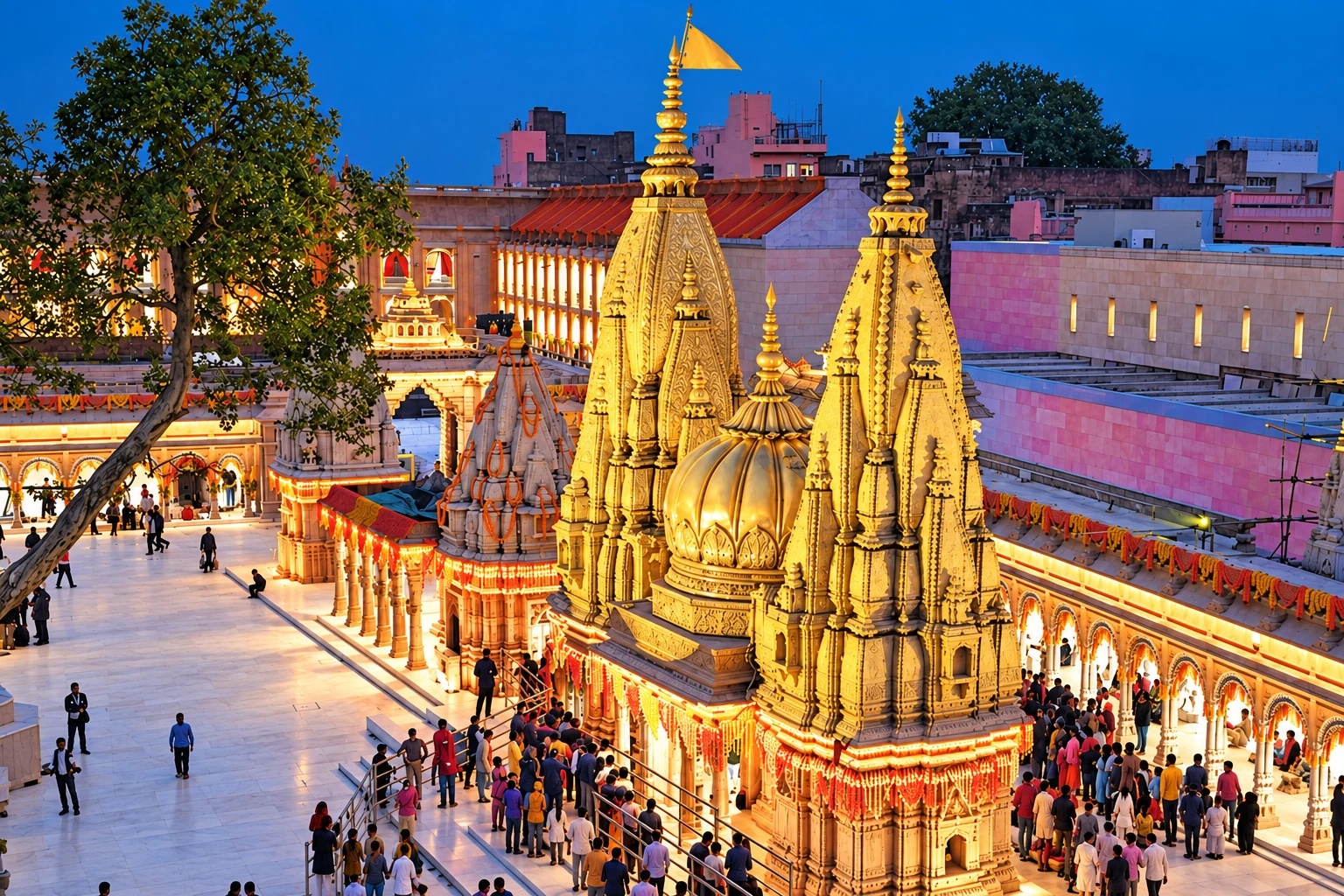
J12 began with a simple question: what if India’s twelve Jyotirlinga destinations were experienced not merely as places of pilgrimage, but as living cultural destinations?
The Jyotirlingas draw millions of visitors each year, yet many of the cities around them remain fragmented in their visitor experience, public infrastructure, heritage conservation, mobility, waste management and interpretation. J12 was conceived as a new model that brings together hospitality, destination development, cultural heritage and responsible tourism into one integrated proposition.
Hospitality as an Anchor.
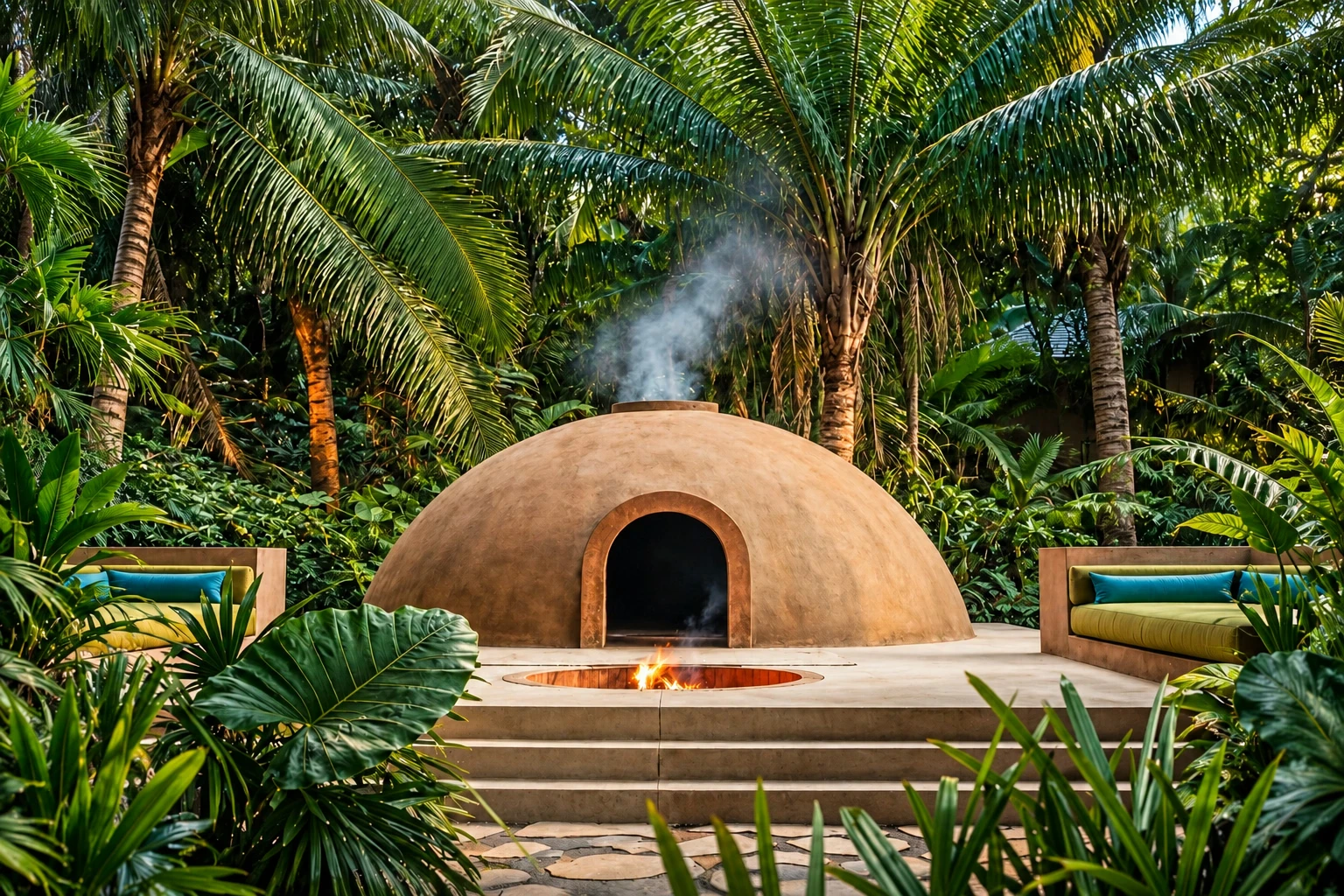
Rather than creating a conventional luxury hotel chain, J12 proposes a network of lean-luxury boutique properties, each deeply rooted in its location and designed as an entry point into the city. The hotels would be deliberately intimate, architecturally distinctive and locally informed, with luxury expressed through design, service, food, knowledge and access rather than scale or excess.
But the hotel is only one part of the proposition.
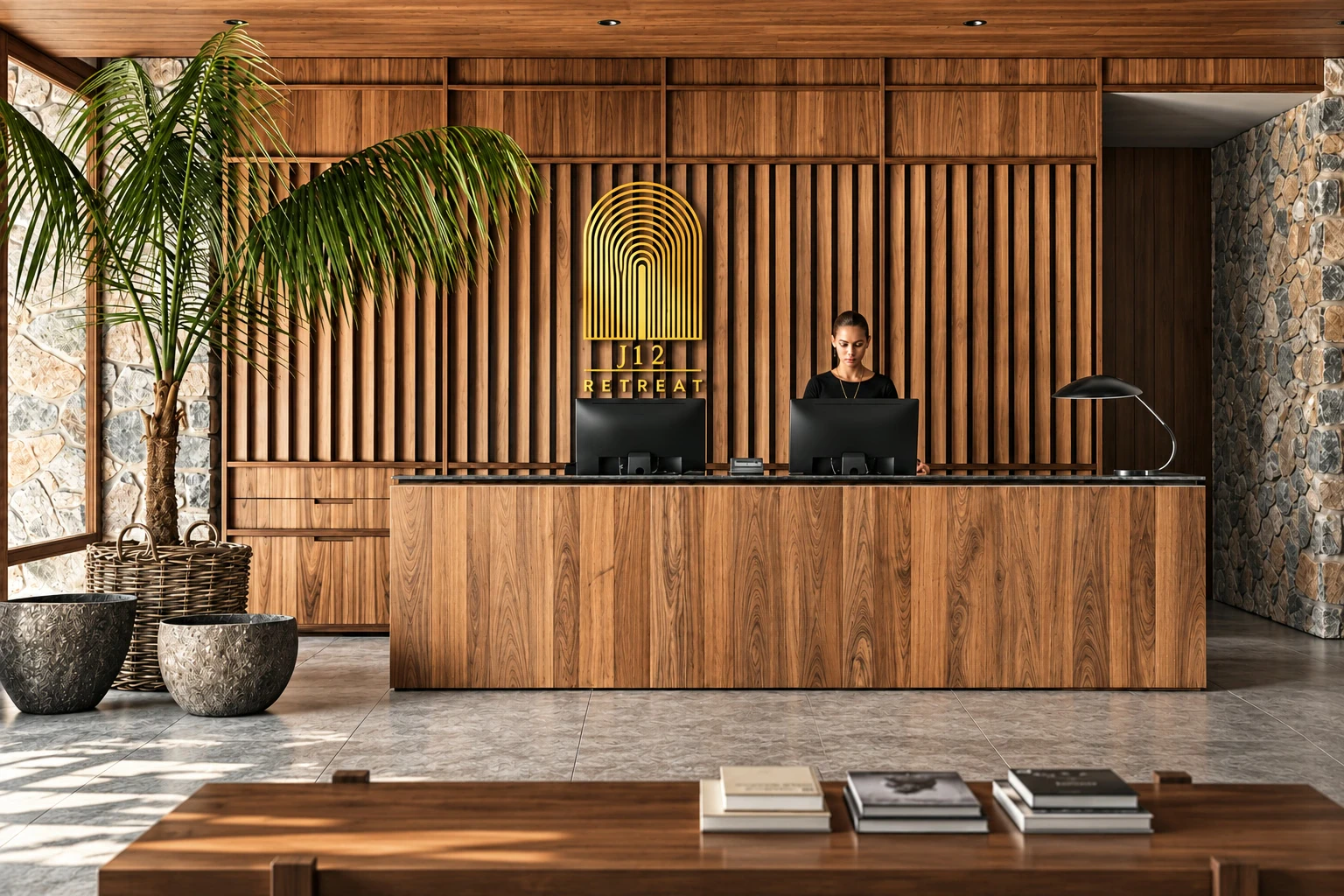
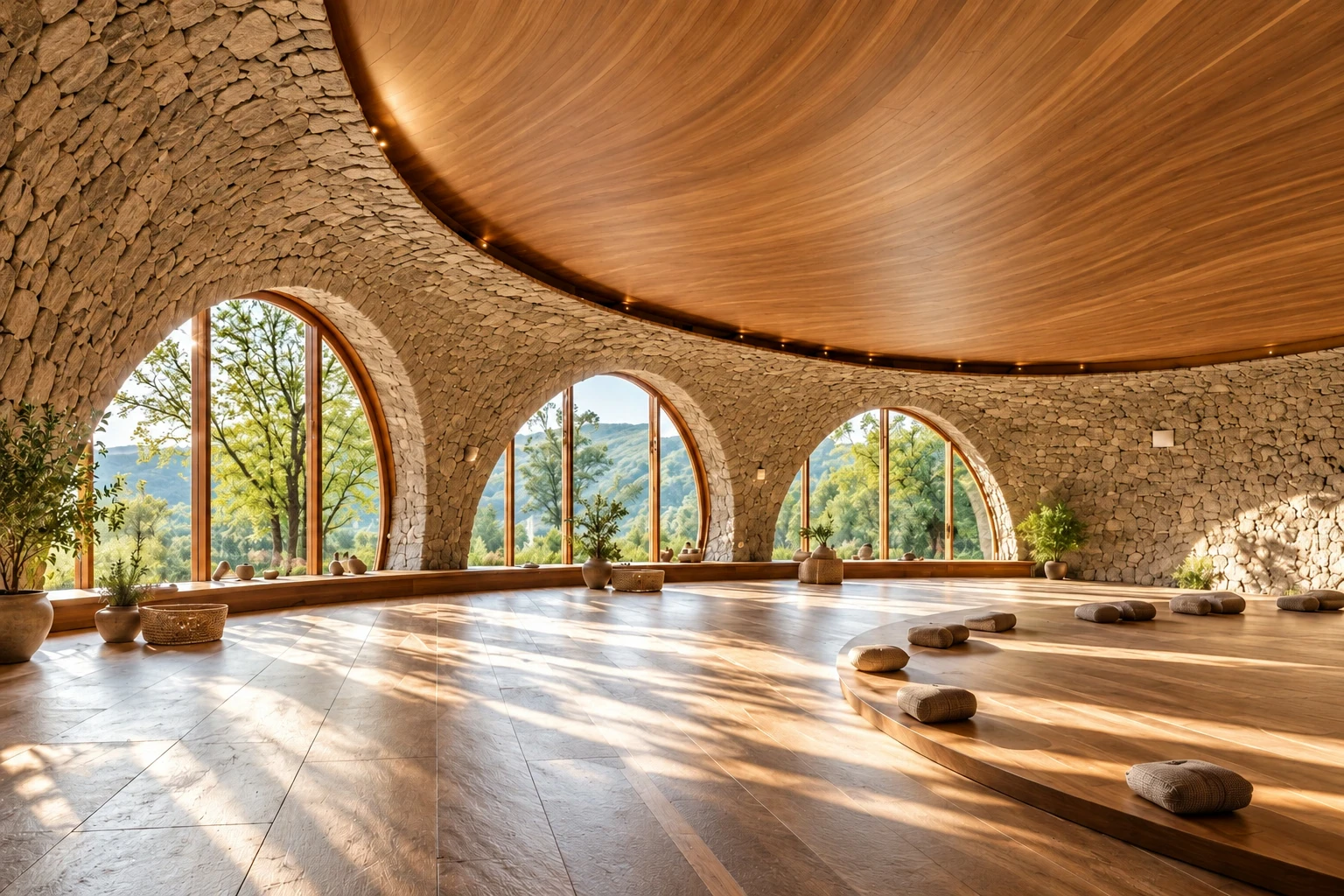
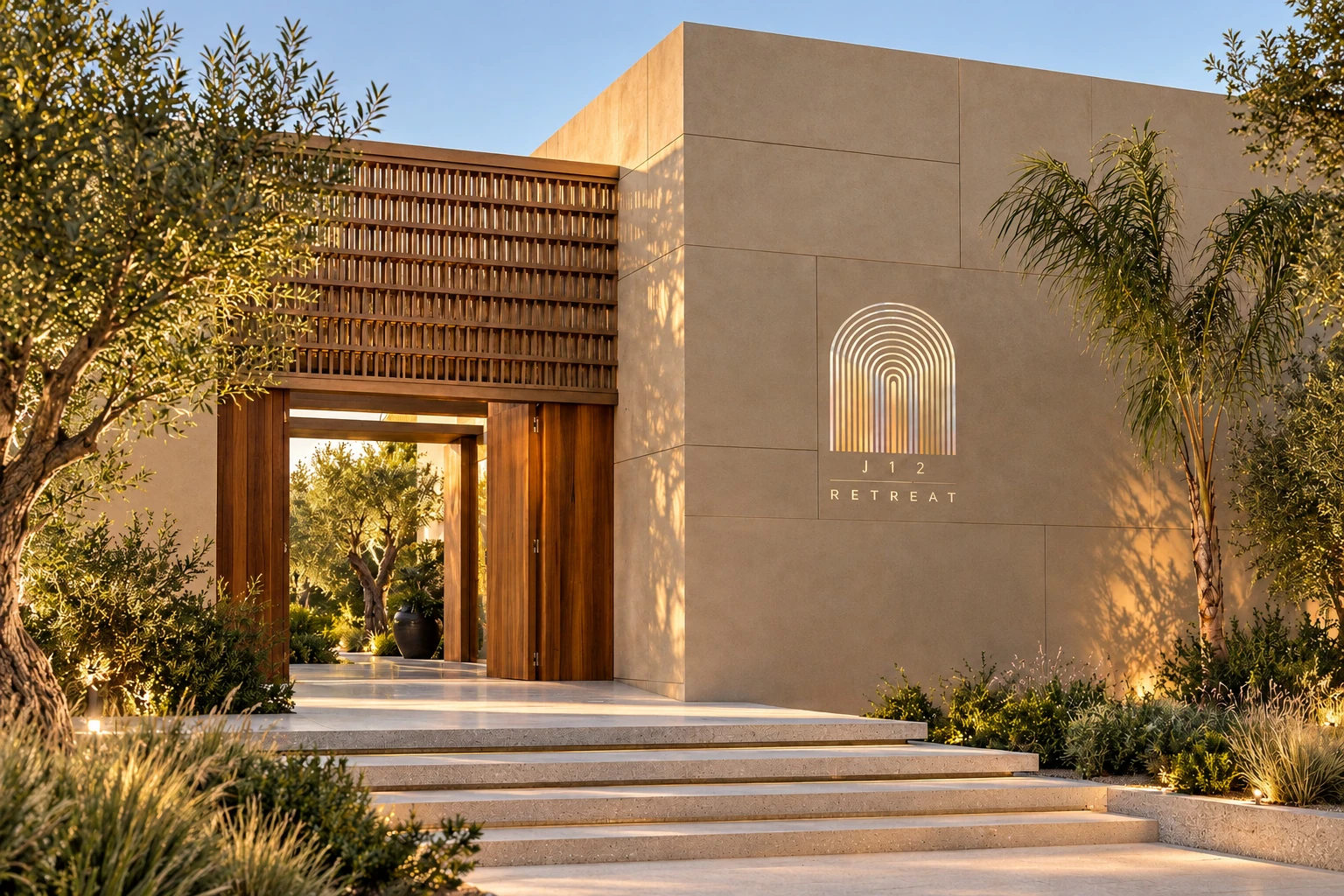
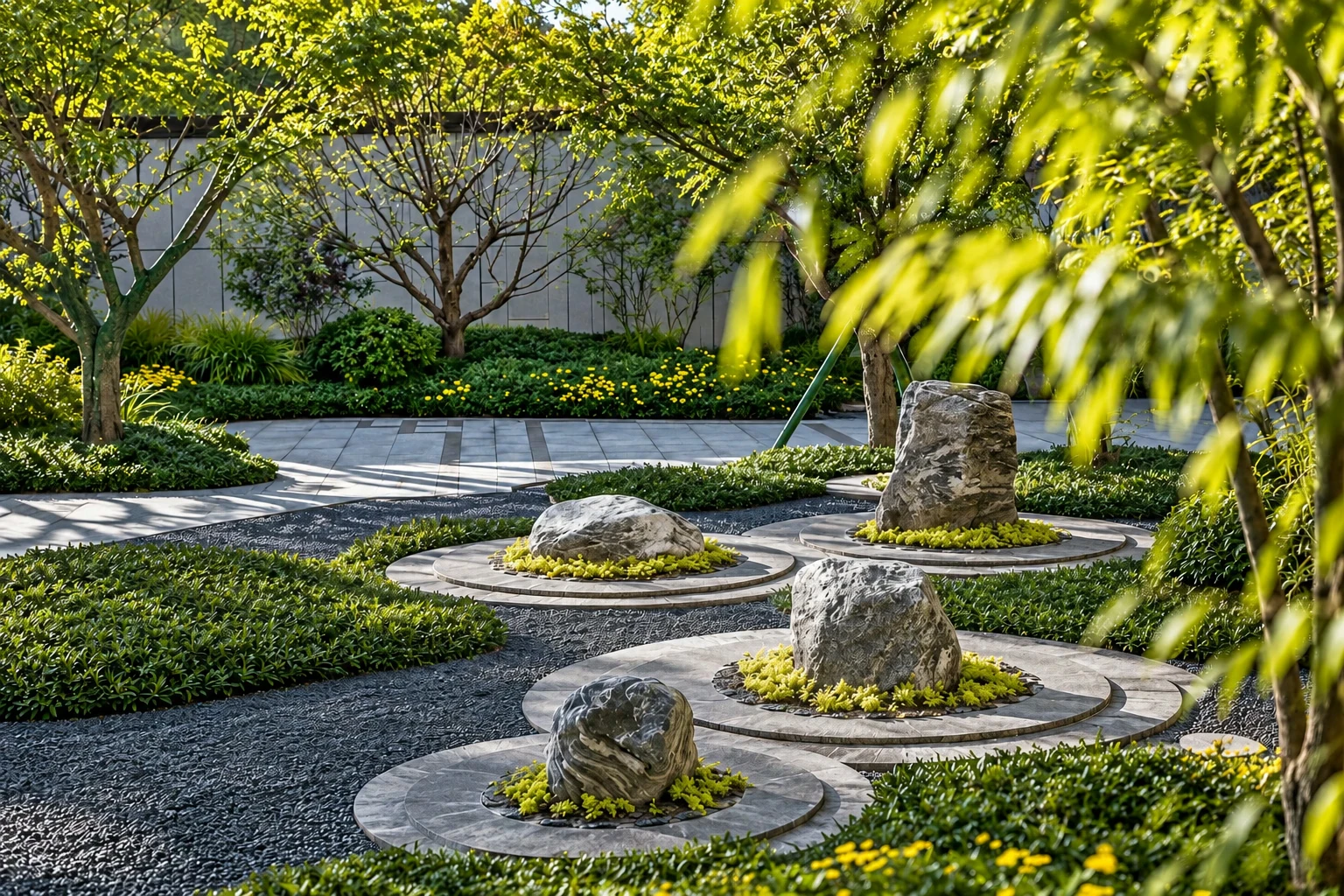
Destination Regeneration.
Each J12 destination would work as a public-private partnership, bringing together government, temple trusts, private capital, hospitality operators, architects, conservation specialists and local communities. The objective would be to identify and regenerate selected parts of each destination (heritage precincts, streets, ghats, chowks, markets and public spaces) while improving the visitor ecosystem around them.
Clean Pilgrimage.
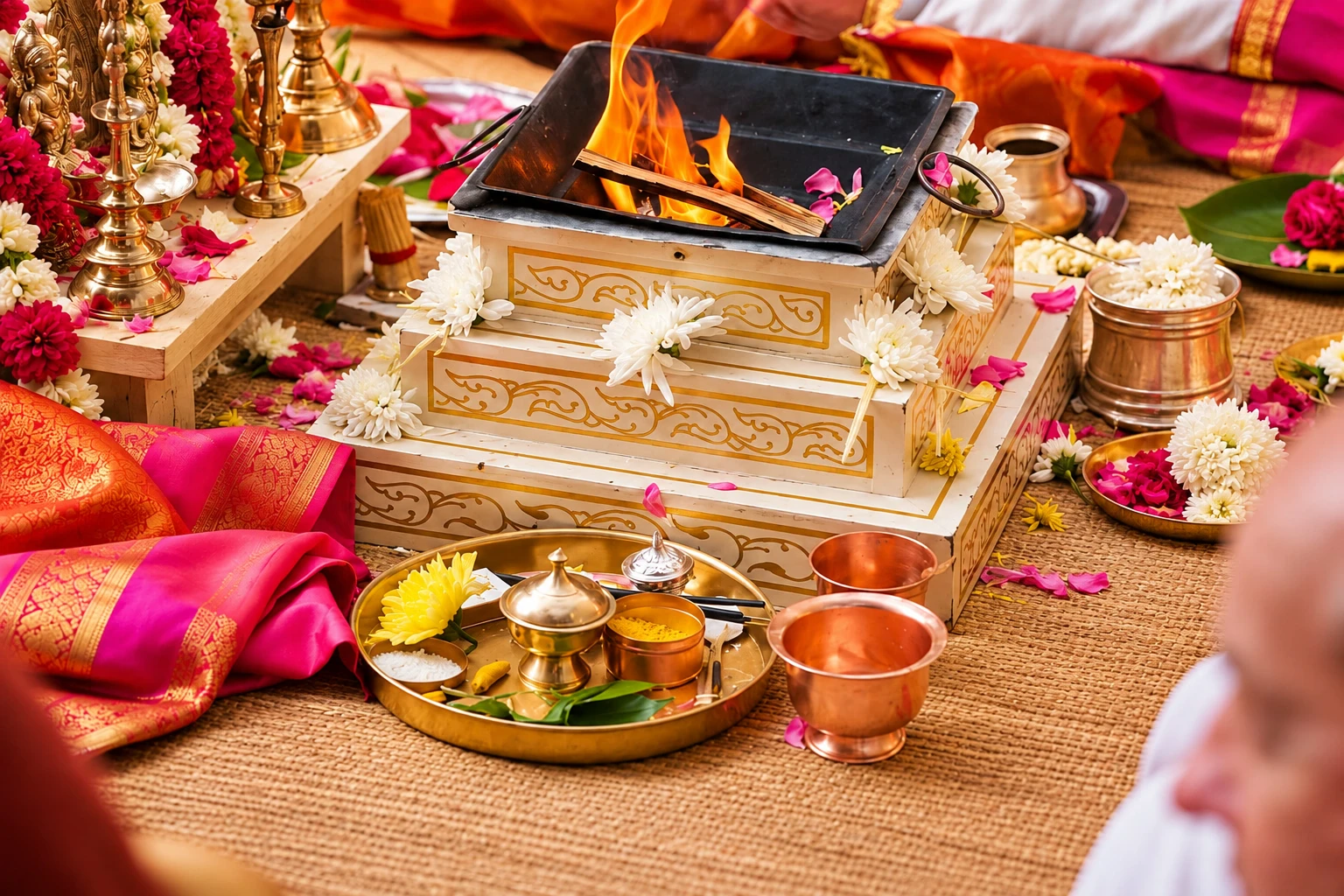
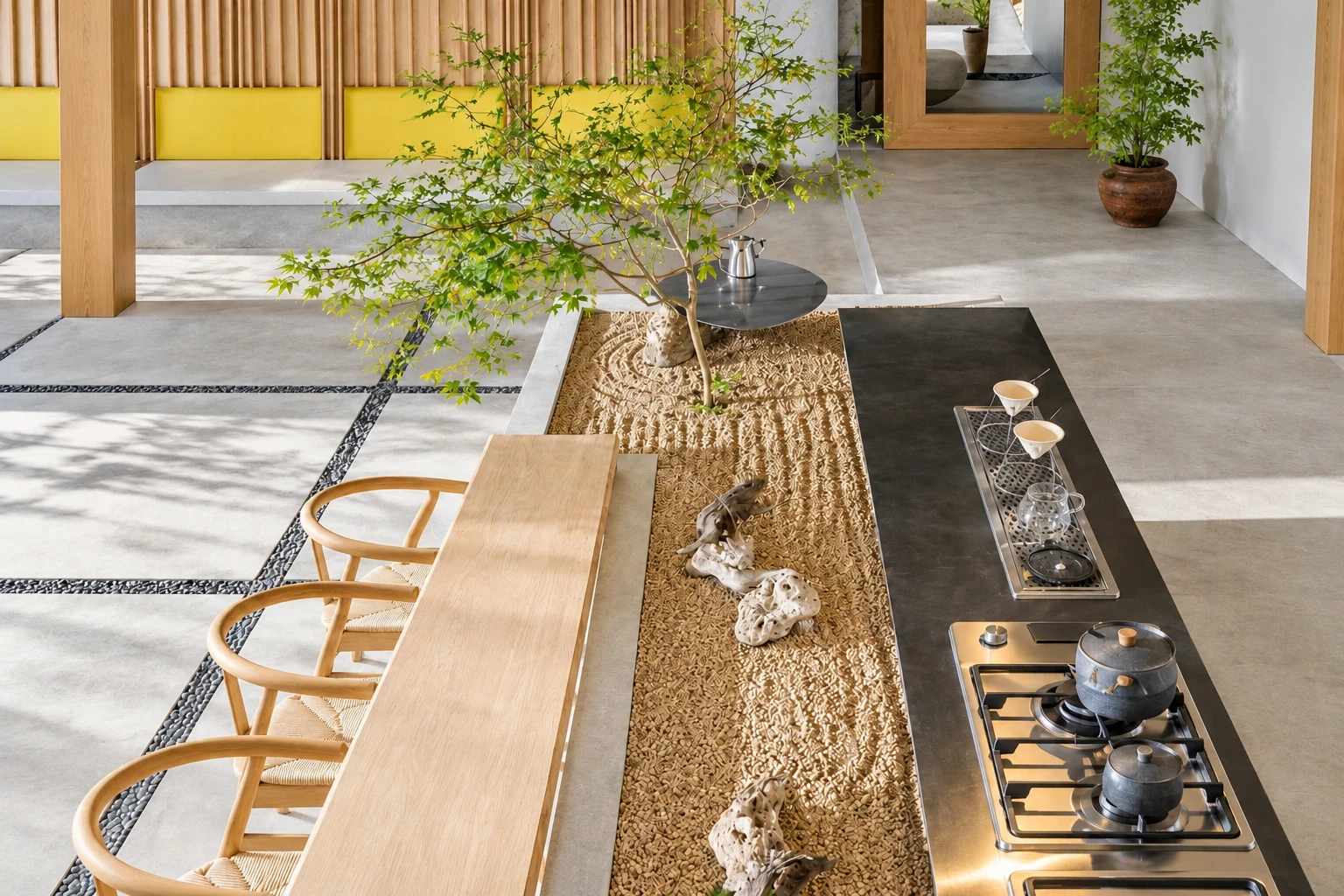
J12 would also introduce a Clean Pilgrimage framework addressing some of the fundamental challenges facing high-volume religious destinations: single-use plastic, waste segregation, water management, sanitation and mobility. The intention is not to impose a new aesthetic on these places, but to reveal and strengthen what already exists.
A Connected Destination.
A digital layer would connect the physical destination. A J12 platform could enable visitors to plan their pilgrimage, navigate the city, discover heritage and architecture, access local guides and experiences, make bookings and encounter the stories behind the places they visit. Digital interpretation, curated walks and immersive experiences would allow the destinations to be experienced beyond the temple itself.



A Deeper Cultural Journey.
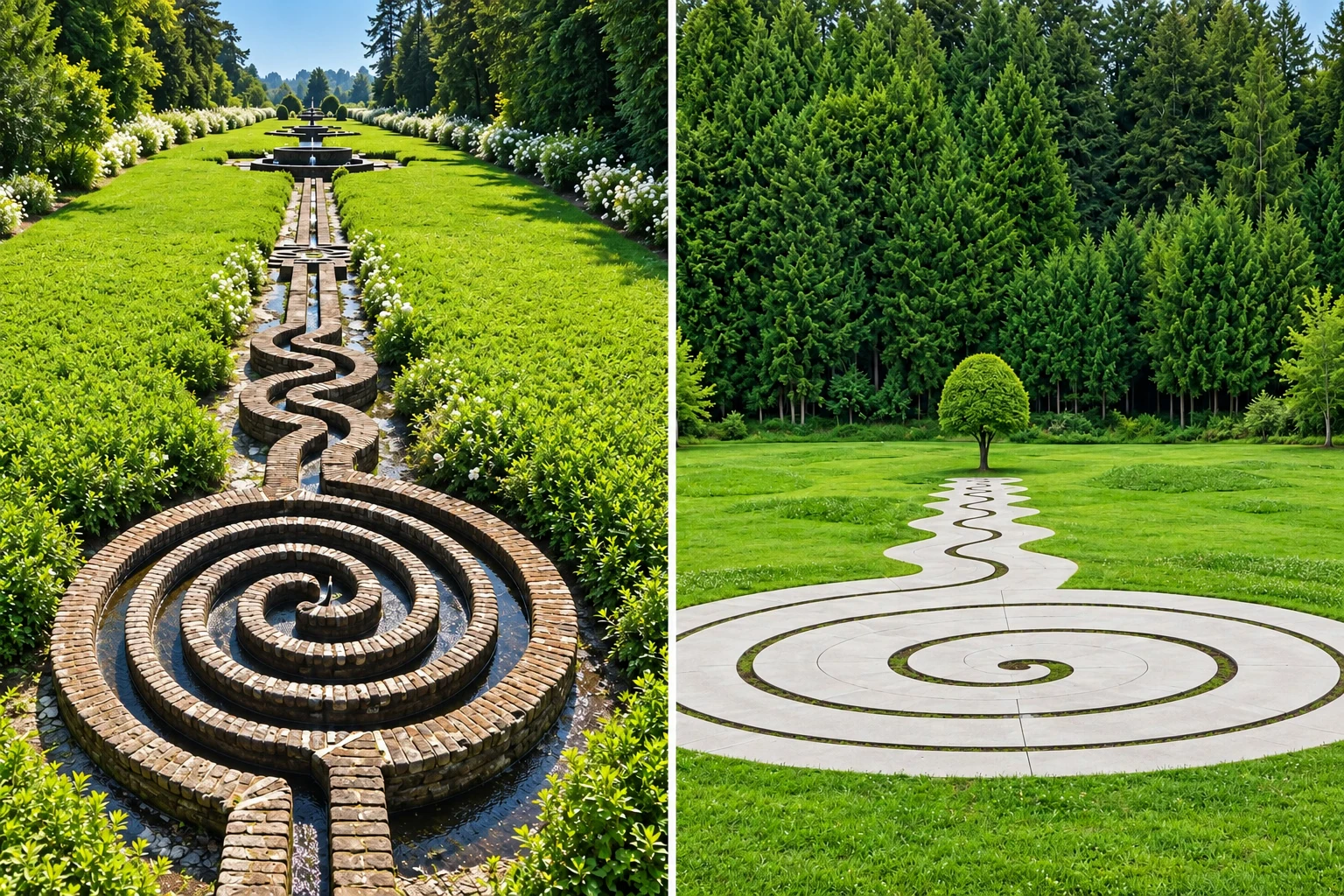
The final layer is curated travel. J12 would transform a pilgrimage into a deeper cultural journey through architecture, food, craft, music, mythology, landscape and living traditions. Each destination would develop its own collection of experiences, creating a network that encourages travellers to discover multiple Jyotirlinga cities rather than treating each visit as an isolated trip.

Built Through Partnerships.
The ambition is therefore larger than hospitality. J12 is conceived as an IP-led destination regeneration platform for India’s sacred cities, one that uses hospitality as the economic anchor while creating a framework for heritage, culture, sustainability and local enterprise.
The model is designed to be built through partnerships rather than owned entirely by one entity. J12 brings the vision, brand, strategic framework and experience architecture; government contributes institutional support and public infrastructure, private partners bring capital and development capability, and specialist partners contribute expertise.
Twelve sacred cities. Twelve distinct expressions of India. One connected journey through its living heritage.