What does it mean to make a municipal school world class when the starting point is not a new building, an expansive budget or specialist infrastructure, but an existing school, often in a state of disrepair, serving children for whom the quality of their everyday environment matters as much as the quality of what is taught within it?
Learning Links Foundation, supported by HDFC, commissioned FYI Group to evaluate, design and construct 36 municipal schools across different states of India, with the larger ambition of demonstrating that the physical environment of public education could be transformed through low-cost, high-quality, scalable design.
The assignment was therefore never conceived as a conventional school renovation programme. It was an opportunity to examine the school as an everyday environment and ask how architecture, spatial organisation, colour, graphics, furniture, signage and visual communication could collectively influence how children learn, move, interact and feel about the place in which they spend much of their lives.
The Challenge.
The 36 schools presented different degrees of physical deterioration and a range of spatial and infrastructural constraints, requiring FYI Group to begin not with a predetermined design solution but with a careful evaluation of what existed, what could be retained, what needed to be repaired and where relatively modest interventions could produce the greatest change in experience.
The challenge was to work within the realities of municipal infrastructure while refusing the assumption that low budgets must necessarily produce low-quality environments, creating schools that were durable, maintainable and economically responsible while also being contemporary, welcoming and capable of giving children a stronger sense of dignity and possibility.
The ambition was to make world-class thinking possible within ordinary public-school conditions.
From Evaluation to Design.
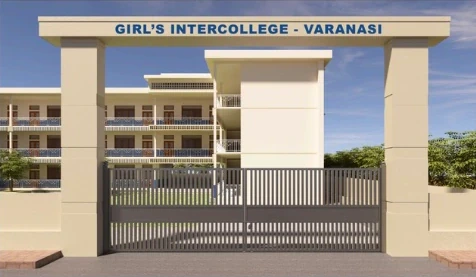
FYI Group evaluated each of the 36 schools before developing interventions appropriate to its physical condition, context and requirements, looking beyond individual classrooms to consider the school as a complete environment encompassing entrances, circulation, classrooms, shared spaces, learning surfaces and the many transitional spaces through which a child experiences the institution.
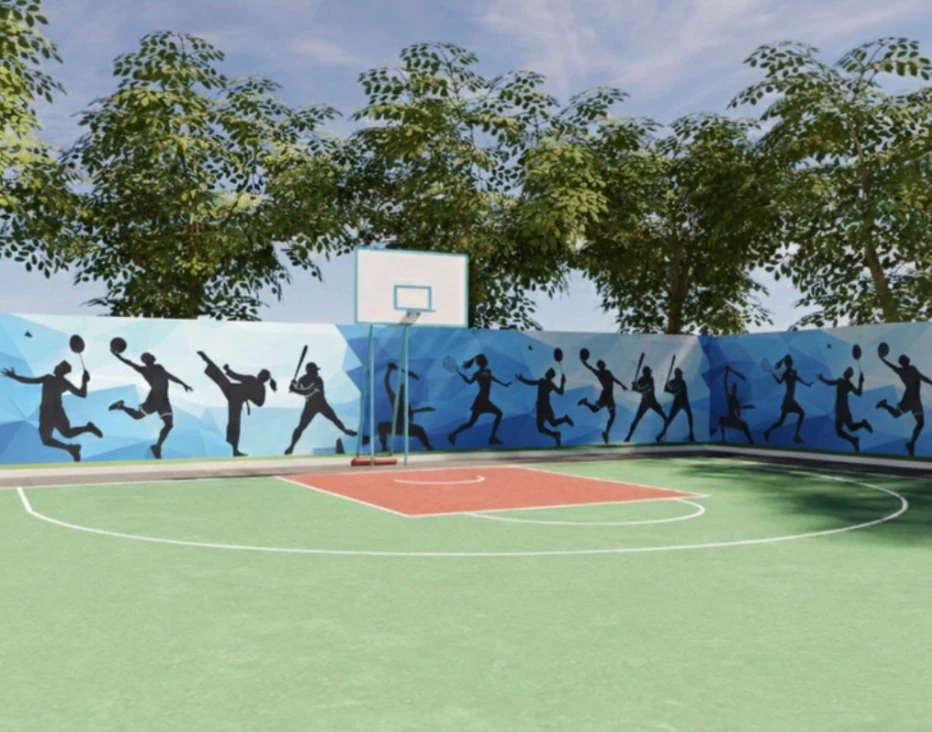
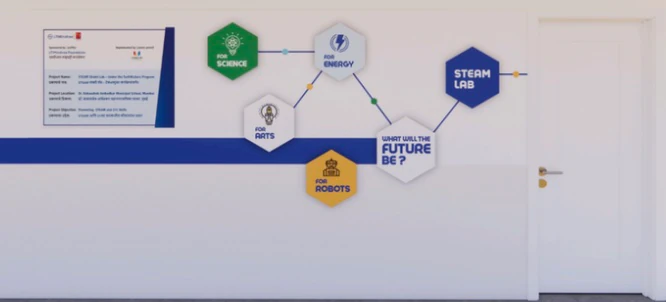
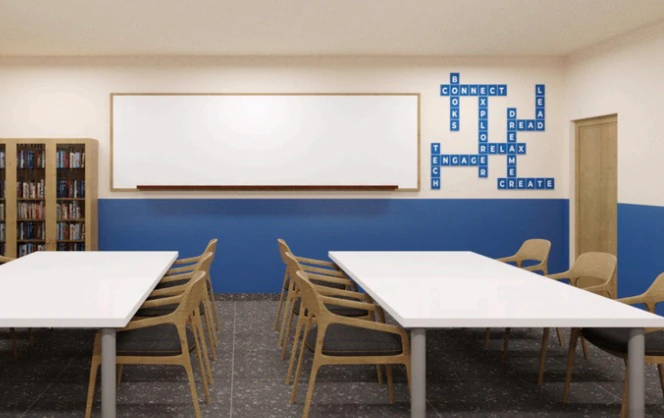
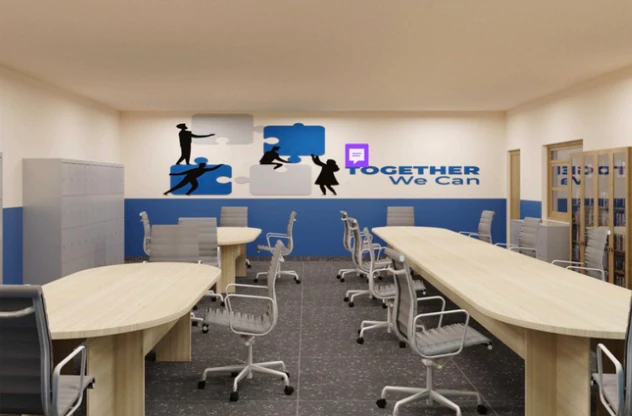
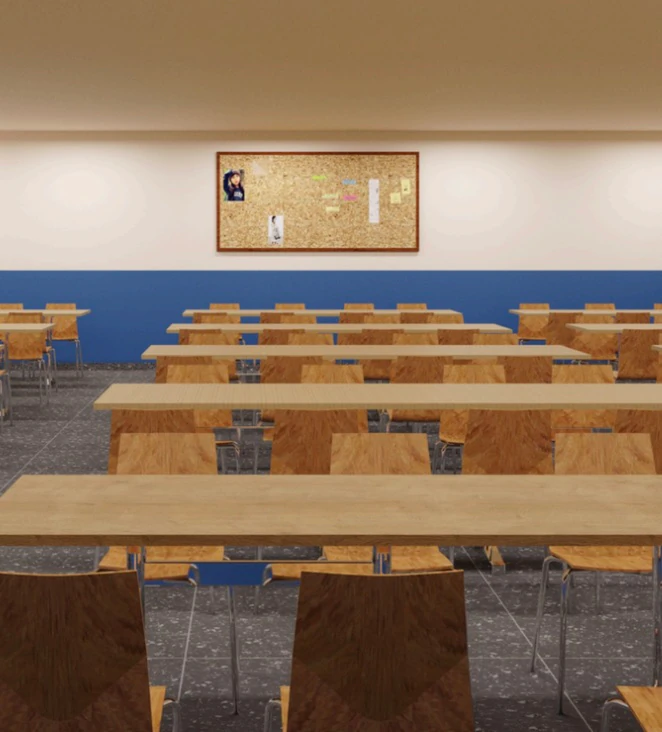
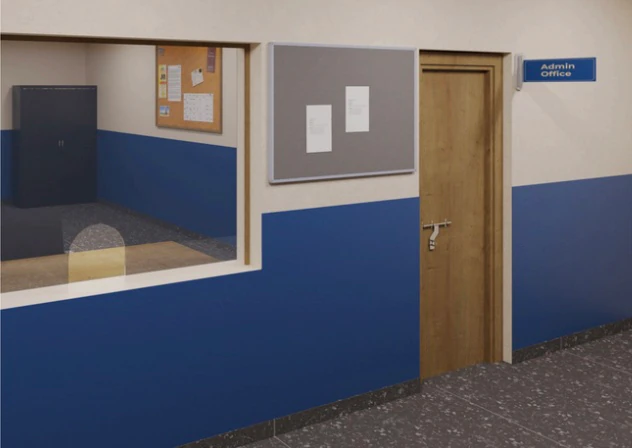
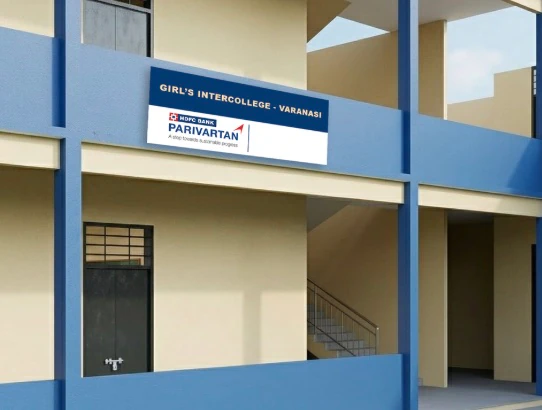
The interventions were intentionally measured rather than extravagant, using colour, graphics, spatial organisation, furniture, signage, material treatments and educational surfaces to transform existing environments without relying on expensive reconstruction or technology-heavy solutions.
The objective was not to make every school identical, but to establish a consistent quality of experience while allowing each intervention to respond to the particular realities of the building and its community.
Parivartan Shala.
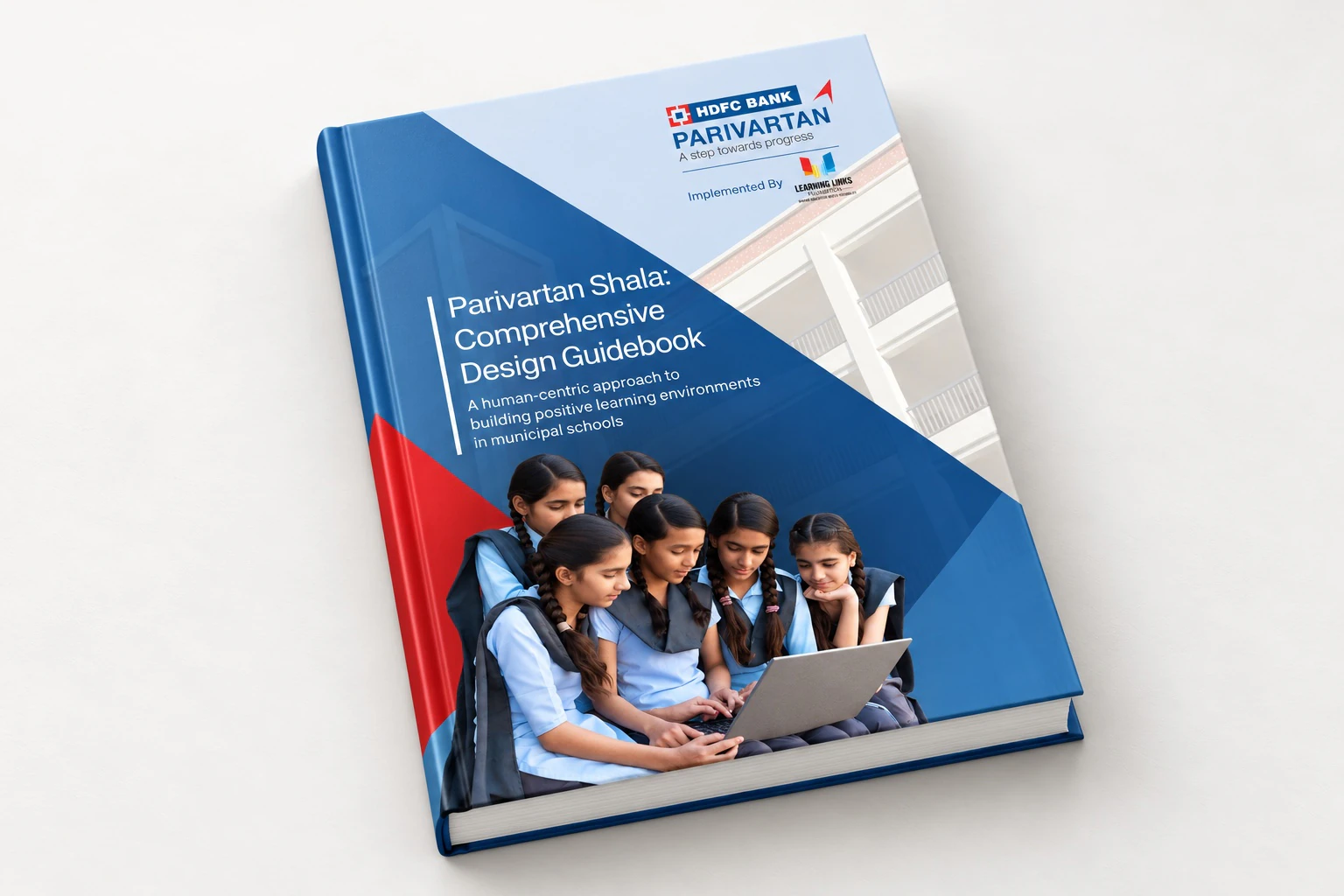
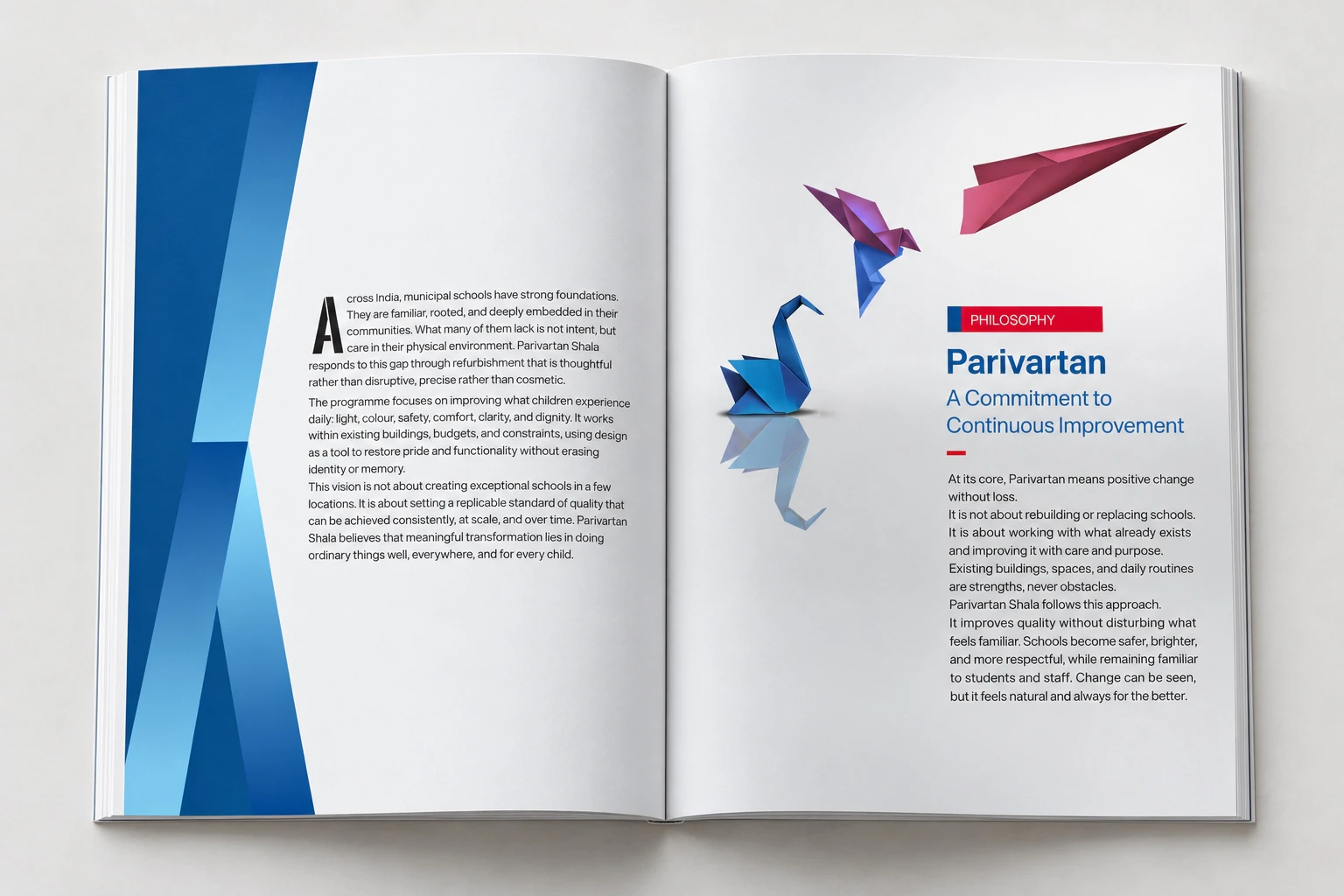
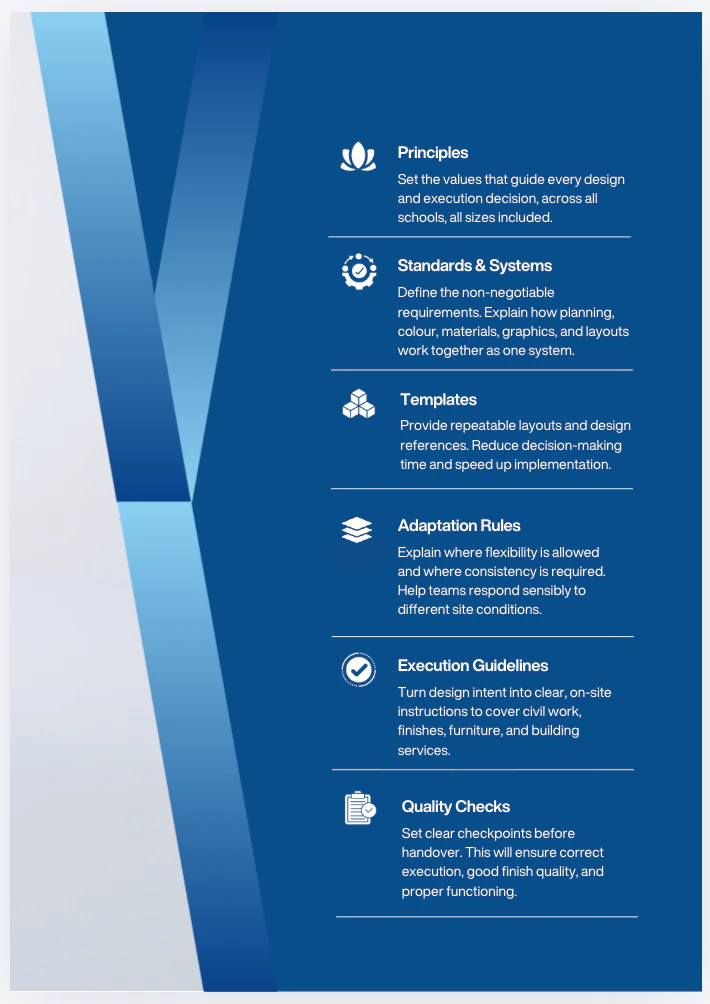
Alongside the physical transformation of the 36 schools, FYI Group developed Parivartan Shala, a design brand book and replicable model for municipal schools, translating the thinking behind the project into a coherent system that could be understood, adopted and reproduced well beyond the schools included in the original commission.
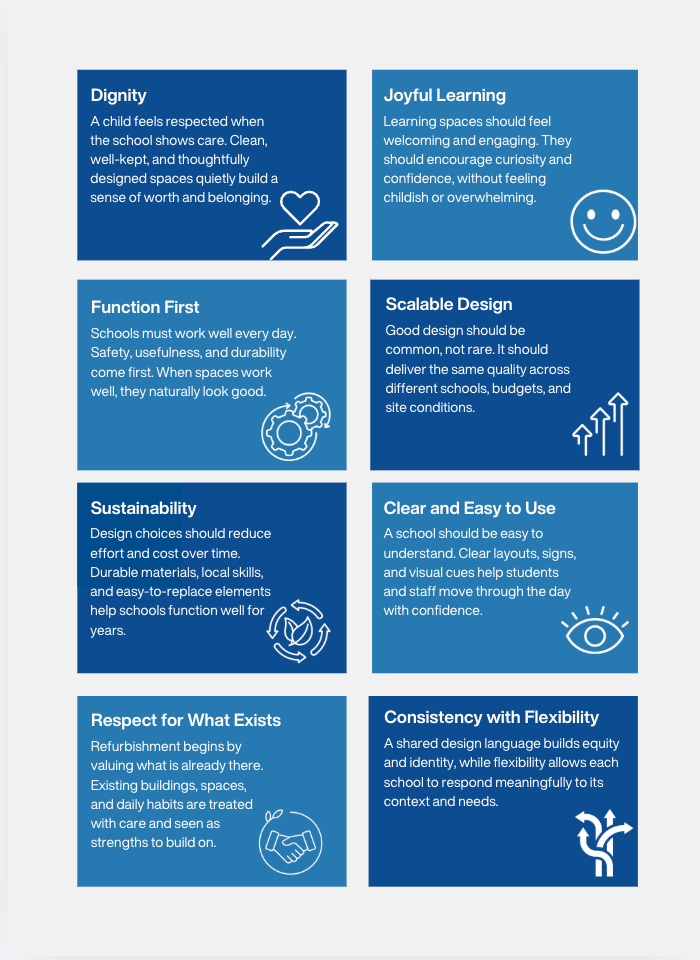
The brand book established principles for the design of learning environments, covering the visual language, colour, graphics, signage, spatial thinking, materials and the relationship between children and their everyday surroundings, creating not a fixed template but a framework through which different schools could achieve a common standard of quality while remaining responsive to their own circumstances.
Its larger purpose was to shift the conversation from how to renovate one school to how to improve the experience of learning across a public education system.

Designing for Scale.
The relationship between the 36 individual schools and the Parivartan Shala framework was central to the work, because the true measure of the project was not the number of schools physically transformed but the possibility of creating a model that could be applied to lakhs of municipal schools across India.
This required a particular discipline: the design had to be desirable enough to change perceptions, practical enough to be implemented, economical enough to be repeated and robust enough to survive everyday use.
In that sense, Parivartan Shala became more than a school-design programme; it became an exploration of how design quality can enter public infrastructure at scale, demonstrating that cost efficiency and aspiration need not be opposites, and that thoughtful design can make existing resources work harder.
The project ultimately proposed a different measure of transformation: not how much was built, but how much better the everyday experience of learning could become with relatively little, when design is applied with intelligence, empathy and the discipline required to make quality repeatable.